About me
Overview
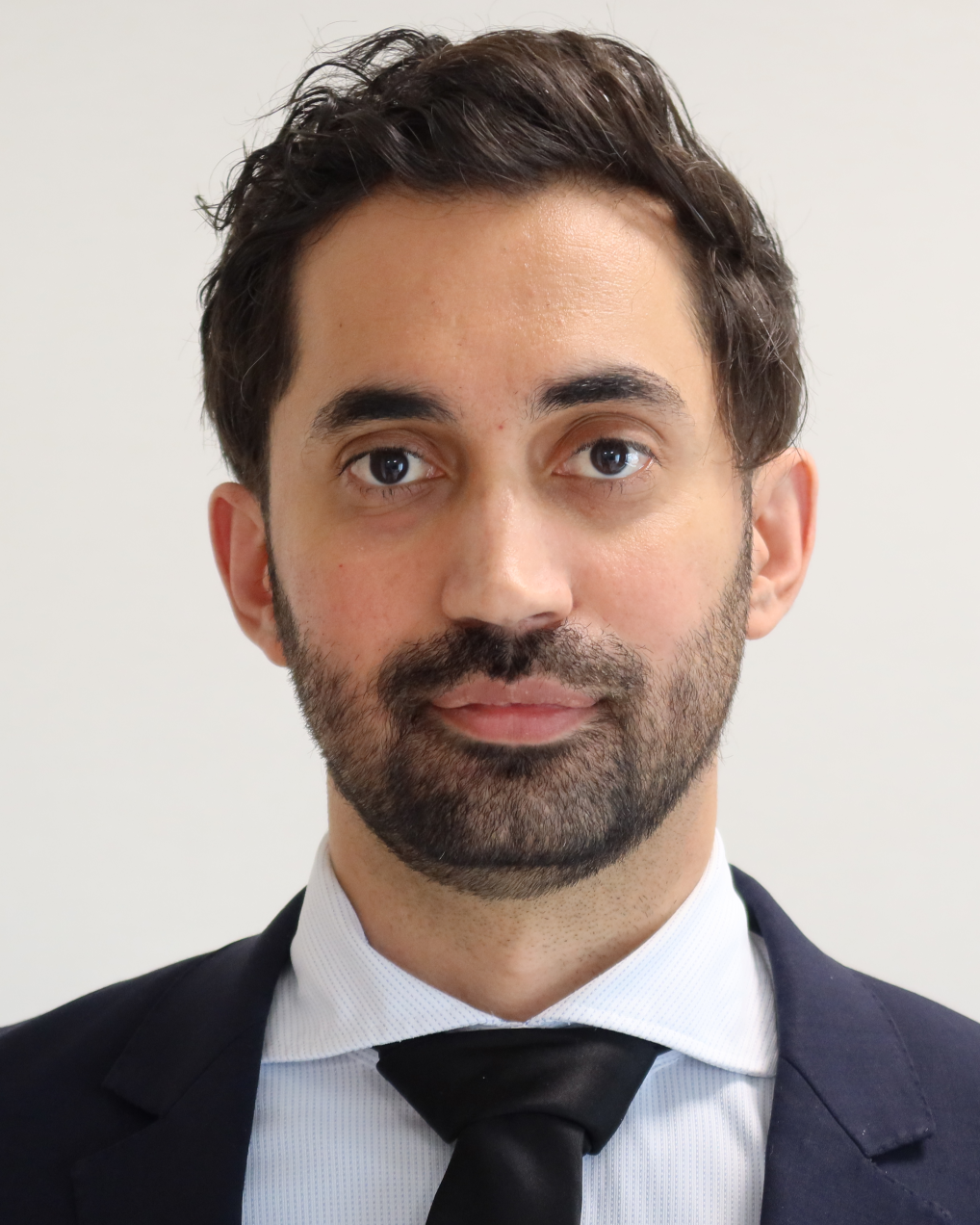
I am a Lecturer in Robotics with the Department of Electrical and Electronic Engineering, The University of Manchester, Manchester, UK, where I lead a group of five researchers. I am based at RAICo (Robotics and AI Collaboration), Whitehaven.
I obtained a PhD (2018) in Mechanical Engineering from the University of Tokyo, where I was an Assistant Professor (助教) until late 2023. I have a BSc (2012) in Mechatronics Engineering and an MSc (2014) in Electronic Systems and Automation Engineering from the University of Brasilia.
Opportunities
I supervise PhD candidates funded through the University of Manchester’s Dean’s Doctoral Scholarship and President’s Doctoral Scholarship. This opportunity and more (when applicable) are listed on FindAPhd.
Open opportunities (if any) for Research Assistant (RA) and Research Associate (PDRA) in my group are posted on my LinkedIn and UoM jobs page.
Consulting
I take on consulting work through The University of Manchester, under the University Consultancy Policy. Areas include:
- Robot control software for manipulators: kinematic modelling, constrained control, teleoperation, and multi-arm coordination.
- Systems integration: specification, procurement, electrical and electronic design, mechatronics, and software for control and image processing.
- ROS 2 software: architecture, drivers, packaging, and CI.
- Training in software for robotics (ROS 2) and whole-body control.
For enquiries, please email me at murilo.marinho@manchester.ac.uk with a short description and the expected timeline.
Research
My work has been focused on teleoperated and/or (semi-)autonomous robots applied to nuclear decommissioning, medicine and scientific exploration. Notably
- Nuclear decommissioning: robot control and teleoperation at RAICo, with partners including Sellafield Ltd, UKAEA, NDA, and AWE.
- Paediatric surgery: ICRA19, RAL20, T-MRB21, and JMRCAS23.
- Eye surgery: T-MRB22, ICRA23, and IJMRCAS25.
- Neurosurgery: T-RO19 and IJMRCAS20.
- Scientific exploration: IROS23, RAM24, ICRA24, and T-ASE25.
Those implementations are based on a constrained kinematic control framework, used on manipulators, surgical robots, and multi-arm systems.